
The Rich History Behind Indigenous Cultural Paintings
Indigenous cultural paintings are more than just beautiful artworks. They are a window into the history, beliefs, and traditions of Indigenous peoples around the world. These paintings tell stories passed down through generations, preserving the identity and heritage of communities. Understanding the rich history behind these cultural paintings helps us appreciate their significance and the deep connection they have with the land and culture.
The Origins of Cultural Paintings in Indigenous Communities
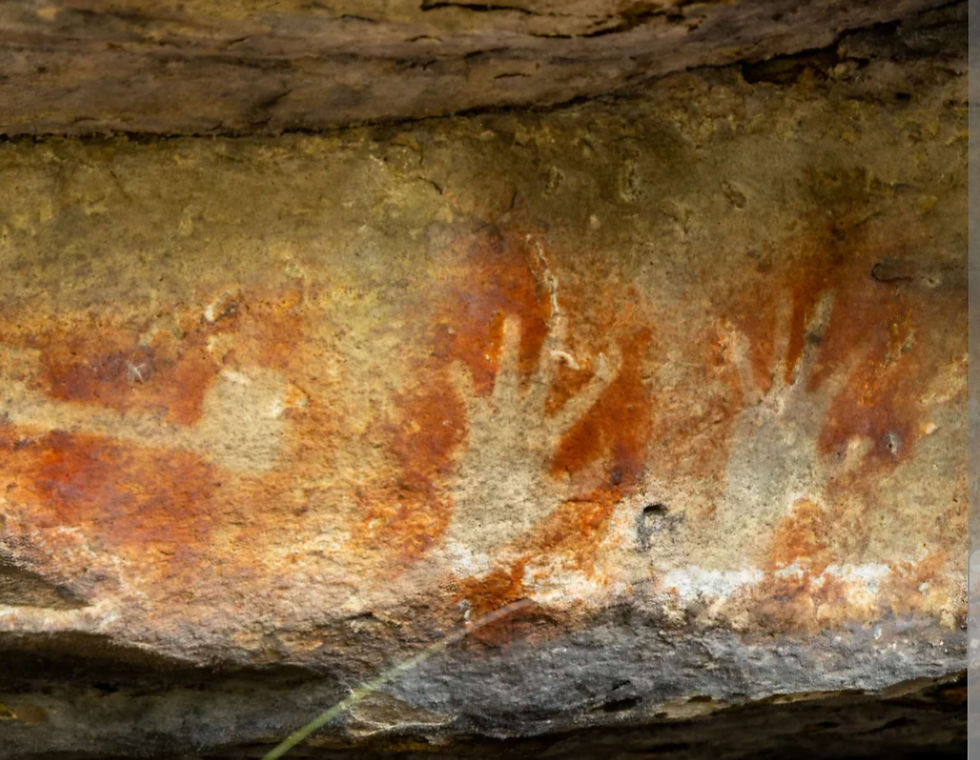
Cultural paintings have been a vital part of Indigenous expression for thousands of years. Early Indigenous artists used natural materials like ochre, charcoal, and clay to create images on rocks, cave walls, and animal hides. These paintings often depicted animals, spirits, and ancestral stories that were central to their way of life.
For example, Aboriginal Australians created rock art that dates back over 40,000 years. These paintings served as a form of communication and spiritual connection. Similarly, Native American tribes used symbolic designs in their paintings to represent their beliefs and histories.
The use of symbols and patterns in these paintings is not random. Each shape, color, and line has a specific meaning that conveys stories about creation, nature, and social laws. This symbolic language is a key feature of Indigenous cultural paintings and helps maintain cultural continuity.
The Role of Cultural Paintings in Storytelling and Tradition
Cultural paintings are a powerful storytelling tool. They capture myths, legends, and historical events that are essential to Indigenous identity. These stories are often shared during ceremonies and passed down orally alongside the visual art.
Many Indigenous communities use paintings to teach younger generations about their heritage. For instance, the Dreamtime stories of Aboriginal Australians are often illustrated through paintings that depict ancestral beings and their journeys. These artworks help keep the stories alive and relevant.
In addition to storytelling, cultural paintings play a role in rituals and ceremonies. They can be used to invoke spiritual protection, mark important life events, or celebrate seasonal changes. The act of painting itself is often a sacred practice, connecting the artist to their ancestors and the natural world.
The Evolution and Modern Expression of Indigenous Paintings
Over time, Indigenous cultural paintings have evolved while maintaining their traditional roots. Contemporary Indigenous artists blend ancient techniques with modern materials and styles to express their identity in new ways.
This evolution allows Indigenous art to reach wider audiences and gain recognition in the global art scene. Many artists use their work to address social and political issues, such as land rights and cultural preservation. This modern expression keeps the tradition alive and relevant in today’s world.
For those interested in exploring authentic Indigenous artworks, first nations art offers a diverse collection that honors these traditions. Supporting Indigenous artists helps preserve their culture and promotes understanding.

Techniques and Materials Used in Indigenous Cultural Paintings
Indigenous artists use a variety of techniques and natural materials that are unique to their regions. Traditional pigments are often made from minerals, plants, and charcoal. These materials provide earthy tones like reds, yellows, blacks, and whites.
Brushes were traditionally made from sticks, feathers, or animal hair. Some cultures used fingers or hands to apply paint directly. The choice of technique often depends on the story being told and the surface being painted.
In some Indigenous cultures, dot painting is a distinctive technique. This method uses small dots to create intricate patterns and images. It originated in the Central Desert region of Australia and has become a widely recognized style.
Understanding these techniques helps us appreciate the skill and cultural knowledge embedded in each painting. It also highlights the connection between the artist, their environment, and their heritage.
How to Appreciate and Respect Indigenous Cultural Paintings
When viewing Indigenous cultural paintings, it is important to approach them with respect and understanding. These artworks are not just decorative pieces but hold deep cultural and spiritual significance.
Here are some practical tips to appreciate Indigenous paintings respectfully:
Learn about the culture behind the artwork to understand its meaning.
Support Indigenous artists by purchasing authentic pieces from reputable sources.
Avoid reproducing or copying designs without permission, as this can be disrespectful.
Attend exhibitions and cultural events to experience the art in its proper context.
Ask questions and engage with Indigenous communities to deepen your knowledge.
By following these guidelines, you can honor the rich history and ongoing traditions of Indigenous cultural paintings.
The Enduring Legacy of Indigenous Cultural Paintings
Indigenous cultural paintings continue to be a vital part of cultural identity and heritage. They connect past and present, telling stories that shape the future. These artworks remind us of the resilience and creativity of Indigenous peoples.
As more people recognize the value of Indigenous art, it is crucial to support and preserve these traditions. Whether through education, respectful appreciation, or direct support of artists, we can help ensure that the rich history behind these cultural paintings thrives for generations to come.


Comments